

Ear Mites in Dogs: A Pet Parent’s Handbook to Identifying, Treating & Preventing Them
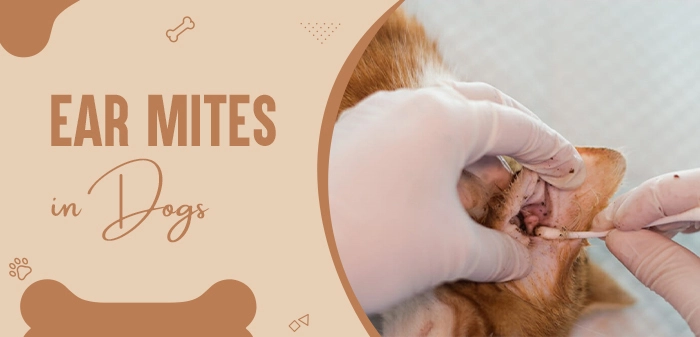
Love the cute, furry ears of your canine? They are adorable, indeed. But these cuties are under constant threat of catching parasite infestations, the most common parasites being ear mites. Are ear mite infestations life-threatening? – Not really. But do they irritate your pet and affect their overall health? – Definitely. It is therefore important to understand how to keep these menacing creatures away from your fur buddy. This article is a handbook for pet parents that includes information about ear mites in dogs, symptoms, diagnosis, and treatment of ear mite infestations, and ways to prevent this infestation. Read on to learn more.
What Are Ear Mites in Dogs?
Ear mites, AKA Otodectes cynotis, are microscopic ectoparasites (external parasites) that live on dogs, cats, and ferrets. These parasites inhabit the host’s ear canals and surrounding skin. They feed on earwax and skin oils, causing itching and discomfort in dogs. Untreated ear mites can lead to secondary infections (fungal or bacterial) and hearing loss in severe cases.
Ear mites develop from an egg to an adult stage in approximately 3 weeks. Ear mites can live for about 2 months, and they continuously reproduce during this time, aggravating the infestation and causing trouble to pets if not treated.
How Do Ear Mites Look?
Ear mites are microscopic, 1-2 millimeters in length, so difficult to see with the naked eye. But these tiny and white creatures leave behind coffee-ground-like debris in the ear canals. The presence of ear mites can be confirmed only by veterinarians with the help of an otoscope or microscope.
Symptoms of Ear Mites in Dogs
A dog infested with ear mites will display one or more of the following symptoms:
- Excessive scratching around the ears, resulting in areas of hair loss
- Head shaking
- Dark brown or black, waxy discharge from the ears
- Crusted rash around or inside the ear
- Blood blisters on the ears due to incessant scratching
- Ear odor
- Skin irritation and redness in and around the ears
- Head tilt
How Do Dogs Get Infested with Ear Mites?
Typically, ear mites are seen more in puppies than in older dogs. Ear mites are extremely contagious and are transmitted easily to other pets from the infested pet. That is why, dogs who socialize often with other pets (for playtime or at dog canals) or who live in a multi-pet house are more vulnerable to ear mite infestations.
Additionally, ear mites can survive in the environment for a limited time. So, your fur friend can also get ear mites from contaminated bedding or carpets.
Diagnosis & Treatment of Ear Mites
If you observe one or more of the ear mite symptoms in your dog, the first step is to consult your veterinarian to get an accurate diagnosis. Some of the methods to diagnose ear mites include:
- Otoscope exam- a device used to look into the ears
- Microscopic examination of the ear discharge
- Examination of skin scrapes- this can identify the mites
Once the ear mite infestation is confirmed, the veterinarian will suggest suitable treatment for your furry companion. The treatment includes both cleaning of the ear with a dog-friendly ear cleaner, like Epic-Otic Ear Cleaner for Dogs, and treating ear mite infestation with the help of a vet-recommended spot-on or oral treatment like Nexgard Spectra for Dogs, Revolution & Selehold for Puppies & dogs.
How to Prevent Ear Mites in Dogs?
Ear mites are the second-most common external parasites infesting pets. And thus, it is best to prevent this infestation as far as possible, rather than putting your fur baby through the ordeal of treatment. Here are a few tips to prevent ear mites in dogs:
- Minimize your dog’s contact with other pets, as ear mites are contagious. Socializing with an infested pet can bring ear mites to your pet.
- If you have multiple pets in the house, make sure to treat all the pets together for ear mite infestations to prevent the transmission and re-infestation.
- Make it a habit to wash your dog’s bedding, toys, carpets, etc., regularly to maintain hygiene and save your pet from the attacks of any hidden parasites.
Frequently Asked Questions:
Here are answers to some of the common questions regarding ear mites in dogs:
Q. Can I Treat Ear Mites in My Dog Without Going to a Veterinarian?
A. Ear mites are tiny parasites, not visible to the naked eye. Besides, the symptoms of ear mite infestations are similar to those of other infections. It is therefore necessary to consult a veterinarian for the right diagnosis and treatment of ear mites.
Q. What Naturally Kills Ear Mites?
A. Cleaning the dog’s ears with apple cider vinegar may help with eliminating ear mites. However, it is best to consult a veterinarian for proper treatment, as untreated ear mites can lead to secondary infections or hearing loss.
Q. What Kills Ear Mites Instantly in Dogs?
A. Home remedies may not be effective or safe for dogs. Therefore, opt for a vet-recommended treatment to eliminate ear mites quickly from your dog.
Q. How Do You Tell If Your Dog Has Ear Mites?
A. Your dog may be having ear mites if you observe:
- Head shaking
- Scratching around the ears
- Black or brown ear discharge
- Bad odor from the ears
In the End
Ear mites are tiny parasites that reside on a dog’s skin near and inside the ears. Untreated ear mite infestations can lead to severe health issues. Thus, be observant of the symptoms of this infestation and get it diagnosed in time. A prompt ear mite treatment and taking steps to prevent this infestation will help keep your canine companion healthy and happy.